For an owner-operator, every mile and every minute is a line on a balance sheet. In a high-traffic city like Atlanta, those lines add up fast: congestion, deadhead miles, fuel burned idling, and time lost looking for somewhere to park. The cost of truck parking is part of that picture, but it is only one line. The drivers who stay profitable in dense markets are the ones who see how all the costs connect and attack them together.
Where the Money Actually Goes in a Dense City
Operating in a major freight hub is more expensive than running open highway, and not for one single reason. Congestion stretches every trip and burns fuel at idle. Deadhead miles, the empty runs between loads, eat fuel and time with no revenue attached. Searching for parking can cost close to an hour a day, time that comes out of your driving clock and your earnings. And the wrong parking spot can add fines, tows, or theft losses on top of all of it. Cutting costs means addressing these together, not one at a time.
Four Levers Owner-Operators Can Actually Pull
1. Cut Wasted Time Looking for Parking
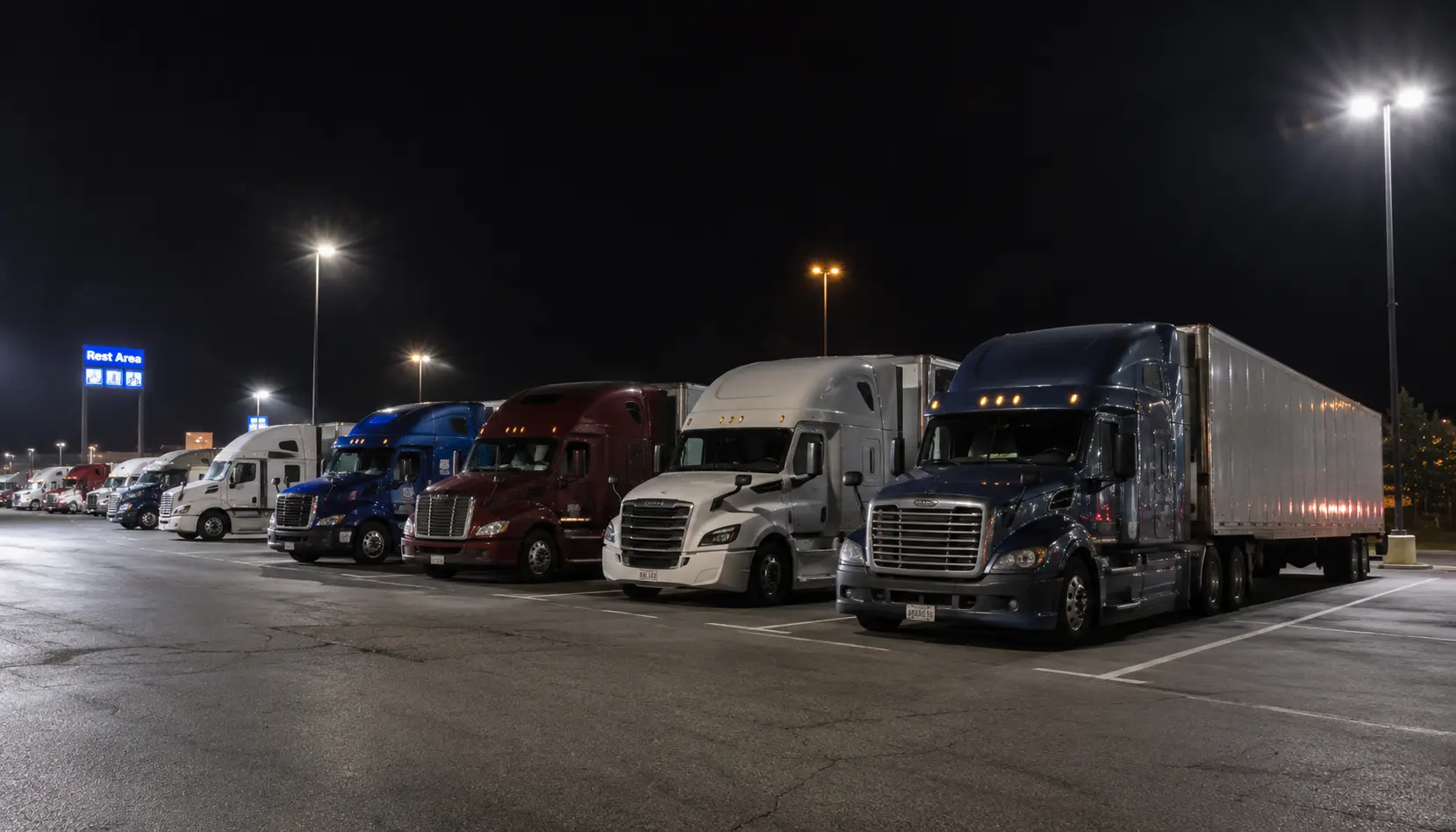
Time spent circling for a space is pure loss. It burns fuel, eats your hours of service, and adds stress with no return. A reserved spot eliminates that search entirely. You know where you are going and the space is waiting. Over a month, recovering even 40 minutes a day adds up to real money. The cost of truck parking on a reserved monthly plan is often less than the value of the time and fuel you waste without one.
2. Turn Unpredictable Parking Spend Into a Fixed Cost
Paying nightly at truck stops is both variable and rising, which makes budgeting hard. Switching to monthly truck parking converts an unpredictable expense into a single fixed line you can plan around, usually at a lower average cost per day than paying as you go. Our breakdown of monthly truck parking cost shows what drives the price. For an owner-operator managing thin margins, predictability is itself a saving.
3. Avoid the Hidden Costs of Bad Parking
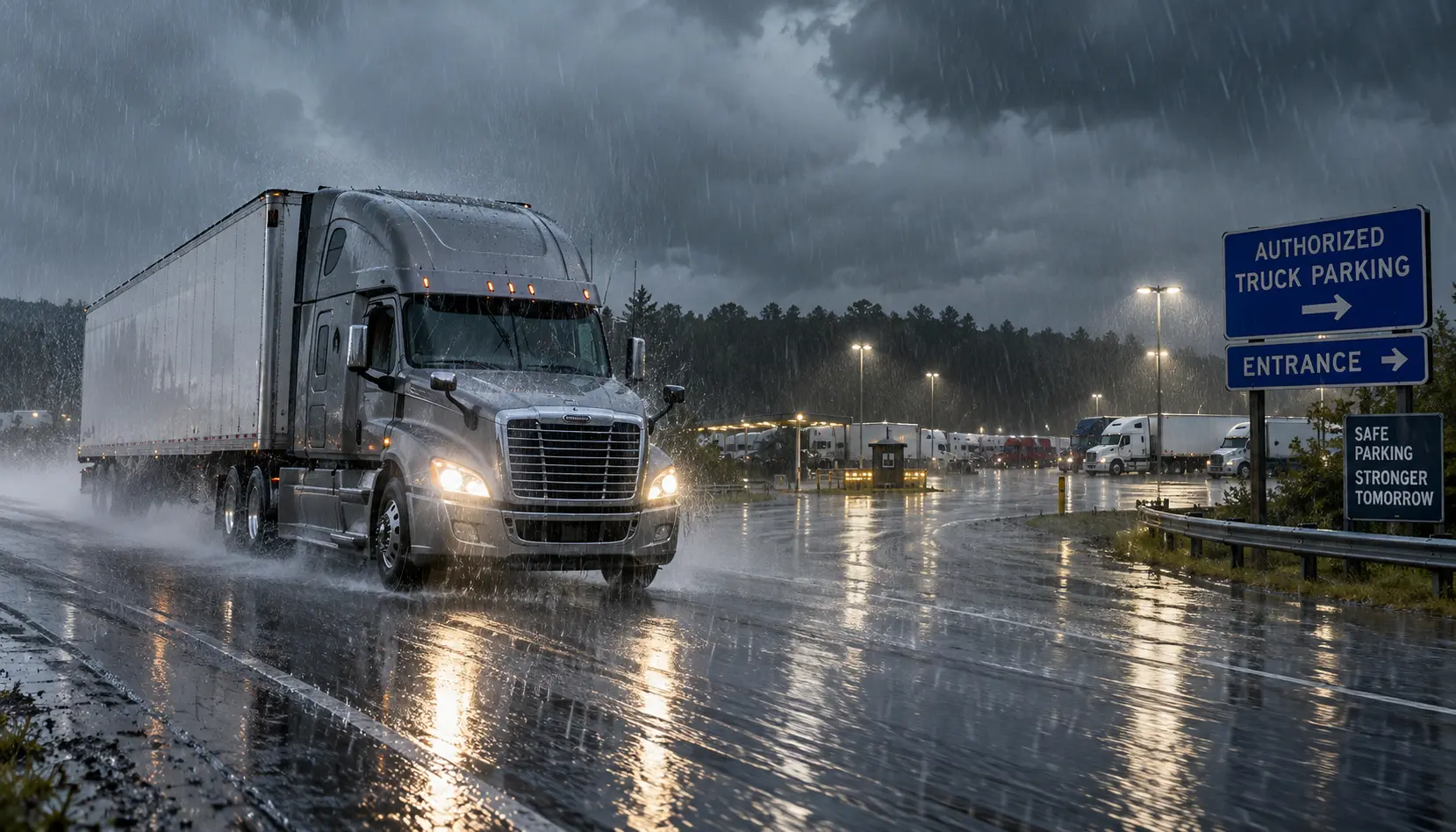
A fine, a tow, or a stolen load is not a small expense, it is the kind of hit that wipes out a week of profit. Parking in unsecured or restricted spots to save a few dollars is a false economy. A secure, legal, gated lot protects you from all three, and that avoided cost belongs in the math even though it never shows up on an invoice.
4. Reduce Downtime With On-Site Maintenance
Downtime is one of the most expensive things that can happen to an owner-operator, because a truck that is not moving is not earning. Handling maintenance where you already park removes a separate trip and shortens the time your rig sits idle. Pairing your parking with access to on-site truck repair keeps small issues from turning into expensive breakdowns on the road.
5. Stop Paying the Fuel Tax of Circling for Parking
Fuel is one of the largest line items an owner-operator carries, and a surprising amount of it is burned going nowhere. Idling in traffic, repositioning between loads, and crawling around looking for an open space all consume diesel without moving you toward revenue. A central, reserved spot attacks this directly. When you know exactly where you are headed at the end of a shift, you stop the aimless searching that quietly drains the tank. Combined with a location close to the routes you actually run, that is fuel saved on both ends of every day.
Why Atlanta Specifically Raises Your Costs
Atlanta is not your average market. It is one of the busiest freight hubs in the country, and that scale cuts both ways for an owner-operator. There is plenty of work, but the same density that creates the freight also creates the costs. The interstates around the perimeter clog at predictable hours, turning a short repositioning trip into an hour of idling. Parking demand far outstrips supply, so the time tax of finding a spot is higher here than in smaller markets. And because the metro area spans dozens of jurisdictions, the rules about where you can legally stop change block to block. The operators who do well here plan around these realities instead of swallowing them as unavoidable overhead.
Why Choose ATL Truck Parking?
ATL Truck Parking helps owner-operators in Atlanta control several of these costs from one location. At 2161 Moreland Ave SE, close to I-75, I-285 and the airport, the lot is positioned to cut down on deadhead miles and wasted time:
- A reserved, guaranteed spot that ends the daily search and protects your hours of service.
- Predictable monthly pricing that turns variable parking spend into one fixed cost.
- Gated, monitored security that shields you from the expensive surprises: a theft, a fine, a tow you never saw coming.
- On-site Shop Repairs so maintenance and parking happen in one stop, reducing downtime.
- A central location near major routes that trims fuel and time on every trip.
See how monthly truck parking gives you a fixed-cost base, or read our overview of truck parking in Atlanta, GA for the full local picture.
Final Thoughts
In a city like Atlanta, profit is protected at the margins, and the cost of truck parking is one margin you can actually control. Treat parking as part of a wider efficiency strategy, fix what you can, secure what you must, and the savings compound month over month. Ready to lower your operating costs with a reliable base in Atlanta? Contact ATL Truck Parking today to secure your monthly spot.
FAQs
How much should an owner-operator budget for truck parking?
It depends on whether you pay nightly or monthly. Paying per night at truck stops is variable and tends to rise, while a reserved monthly spot converts it into one predictable cost that usually works out lower per day. The bigger saving is indirect: a guaranteed spot removes the time and fuel you waste searching, which protects your hours of service.
Does a central parking location really reduce costs?
Yes. A lot positioned near major routes cuts the deadhead miles and idling time you spend repositioning between loads. In a congested market like Atlanta, trimming even a few miles and minutes per trip compounds into meaningful fuel and time savings over a month.
Can parking and maintenance in one place save money?
It can. Downtime is expensive because a parked truck earns nothing, and a separate trip for repairs adds to it. Handling maintenance where you already park shortens that idle time and helps catch small issues before they become costly breakdowns on the road.