Few things ruin a run faster than coming back to a ticket on your windshield or, worse, an empty space where your rig used to be. Understanding semi truck parking laws is how you avoid both. Georgia, and metro Atlanta in particular, layers federal rules, state context and local ordinances on top of each other, and the spot that is legal on one block can get you towed on the next. Here is what you need to know to park legally and protect your equipment.
Why Truck Parking Laws Exist in the First Place
Semi Truck parking rules are not arbitrary. They come from three overlapping concerns: highway safety, community impact, and infrastructure protection. A parked tractor trailer is a large object that affects sightlines, road wear, and neighborhood quality of life. That is why the rules differ so much depending on where you are, and why a single national answer does not exist. You have to read the situation at three levels.
The Three Layers of Semi Truck Parking Laws
Federal: Hours of Service Set the Pressure
Federal law does not tell you where to park, but it dictates when you must stop. The Federal Motor Carrier Safety Administration sets hours-of-service limits that force a rest break whether or not a legal space is available. That pressure is the root of most parking problems: drivers run out of legal driving time and end up parking somewhere risky just to stay compliant. Knowing your clock and planning your stop in advance is the first line of defense.
State: Georgia Rest Areas and Highway Rules
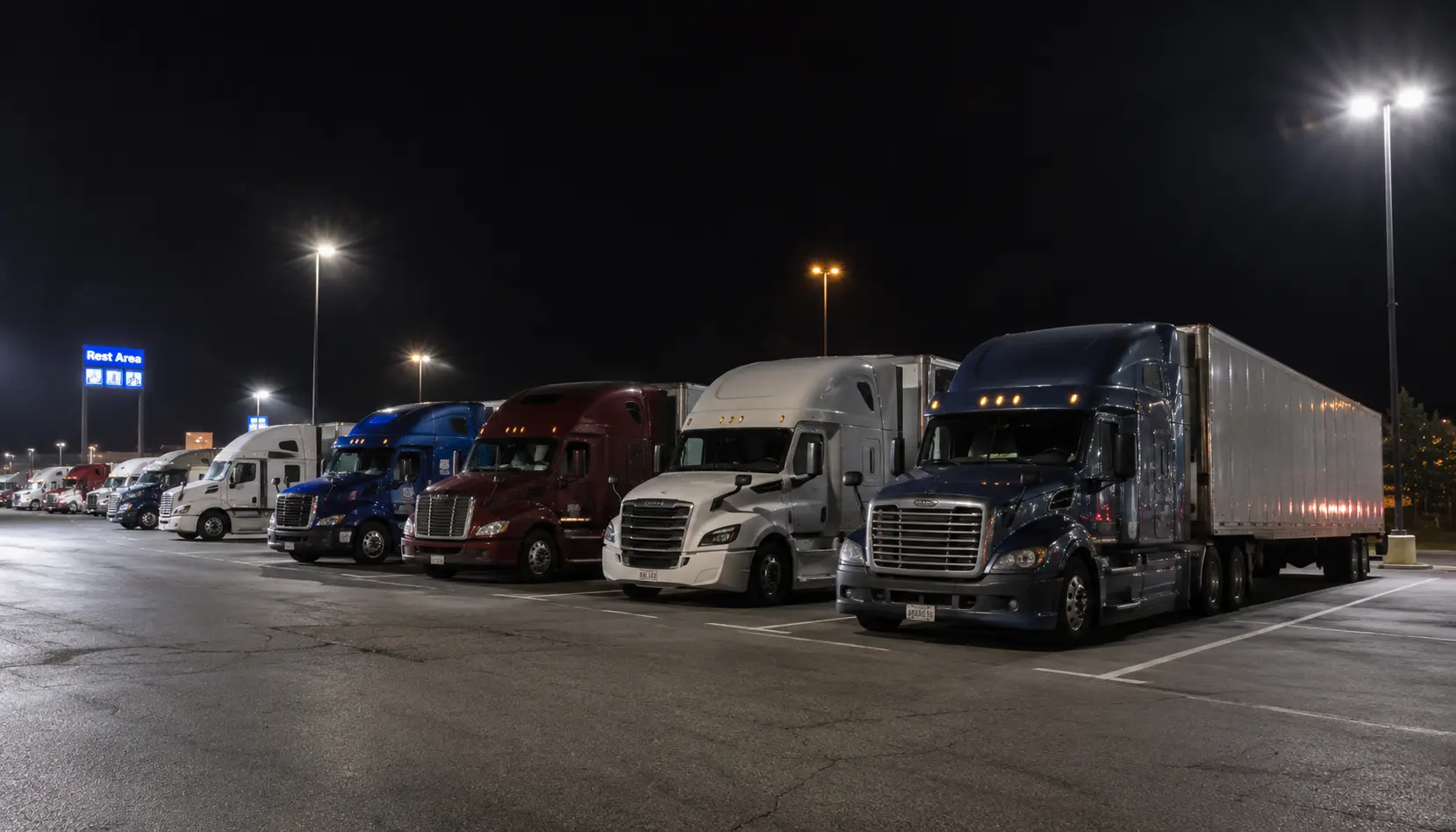
At the state level, Georgia maintains rest areas and weigh stations along its interstates, and these are generally legal for short rest stops, subject to posted time limits. The key word is short. State rest areas are designed for a quick reset, not a guaranteed overnight, and they fill up during peak hours just like truck stops. Georgia also enforces standard commercial vehicle regulations around weight and movement, which is why weigh stations matter to your route planning.
Local: City Ordinances Issue the Tickets
This is the layer that catches most drivers. Individual cities and counties in metro Atlanta set their own rules about where commercial vehicles can park and for how long, especially in and around residential zones. These local ordinances are where the actual tickets and tow orders come from. A spot with no posted sign can still violate a city ordinance, so the absence of a sign is not permission.
Is It Illegal to Park a Semi Truck in a Residential Area?
This is the single most common question, so here is the direct answer: in most metro Atlanta jurisdictions, yes, parking a semi truck in a residential area is restricted or outright prohibited. Cities limit commercial vehicle parking near homes for safety and quality-of-life reasons, and enforcement is common. Even parking briefly in front of your own house can violate local code. If you operate out of a residential address, a dedicated commercial lot does more than save you the hassle. It keeps you on the right side of the ordinance.
What Happens If You Get It Wrong
Parking illegally costs more than an annoying ticket. A citation in metro Atlanta can run into real money, and repeat violations climb higher. A tow adds the cost of the tow itself, the storage fee, and the lost hours spent recovering your truck, all while your load sits undelivered. In the worst cases, parking violations can feed into your safety record, which affects your standing with carriers and insurers. The few dollars saved by parking in a questionable spot rarely survive contact with a single ticket.
How to Stay Legal Without Losing Sleep Over It
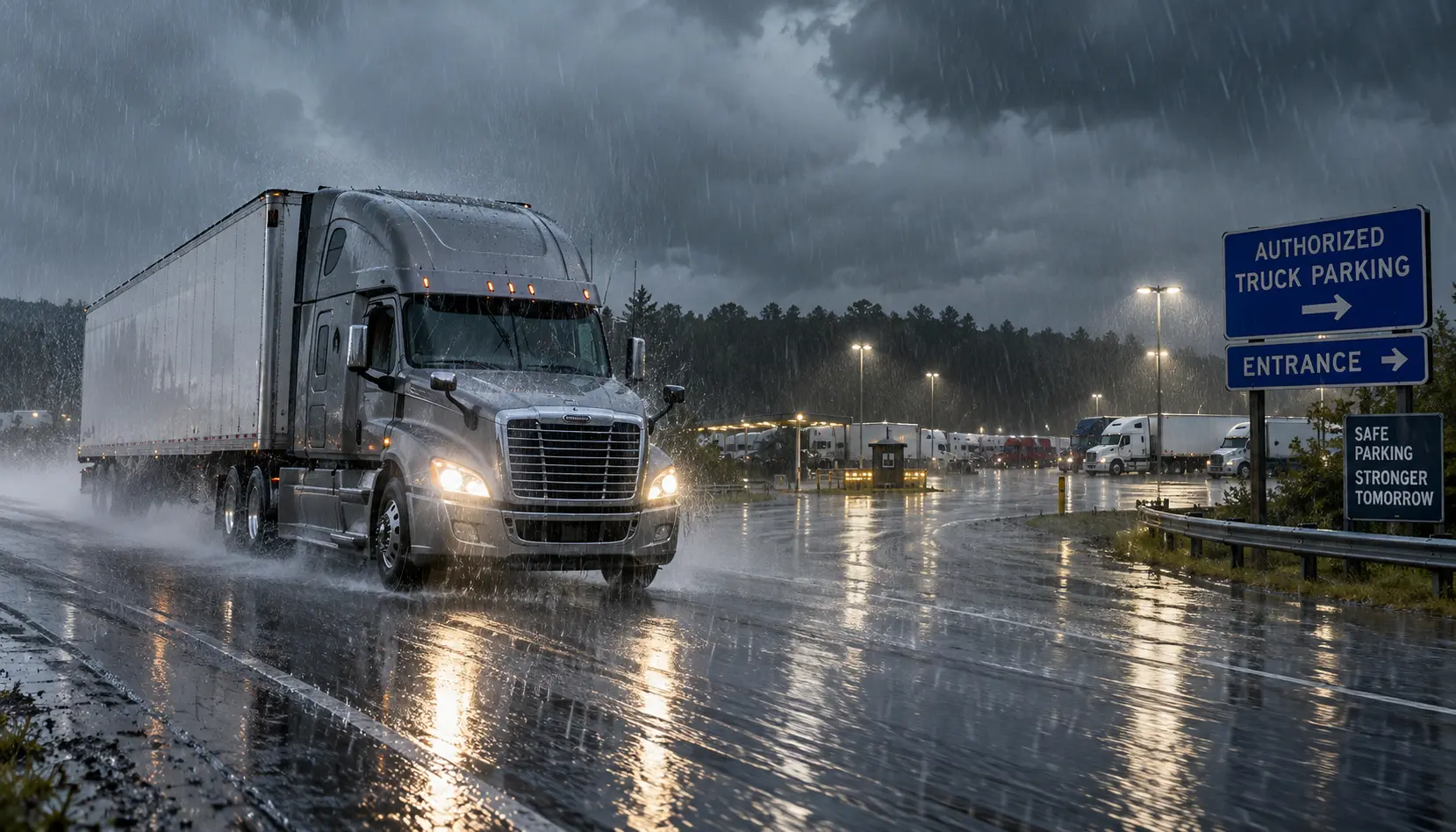
The practical takeaway is that the only way to be certain you are parked legally is to use a space designated for commercial vehicles. Truck stops and state rest areas work within their limits, but they do not guarantee a space. For anything beyond a short stop, and for any driver based in or running regularly through Atlanta, a gated commercial lot removes the legal guesswork entirely. If you are still mapping your options, our guide on truck parking in Atlanta, GA breaks down each one.
Why Choose ATL Truck Parking?
ATL Truck Parking gives drivers a legal, secure place to park without reading a city code book. At 2161 Moreland Ave SE, close to I-75, I-285 and the airport, the lot is built for compliance and peace of mind:
- A fully designated commercial lot so you are never parked in a restricted residential or industrial zone.
- Gated, controlled access that keeps the lot secure and your parking legal.
- 24/7 access so you can meet your hours-of-service rest requirement on your schedule.
- Cameras and bright lighting protecting your truck against theft and damage.
- Daily and monthly options for both quick stops and a permanent legal base.
For long-term peace of mind, monthly truck parking gives owner-operators a reserved, compliant home base in Atlanta, and daily truck parking covers you for shorter legal stops.
Final Thoughts
Staying on top of semi truck parking laws means reading the situation at three levels: your federal clock, Georgia state limits, and the local ordinance that actually writes the ticket. When in doubt, a designated commercial lot is the simplest way to stay legal and protected. Want a secure, fully legal place to park your semi in Atlanta? Contact ATL Truck Parking today to secure your spot.
FAQs
How long can a semi truck park at a Georgia rest area?
Georgia rest areas are intended for short rest stops and post their own time limits. They are not designed for guaranteed overnight stays, and they fill quickly during peak hours, so they are best used as a quick reset rather than a parking plan.
Can I get towed for parking my semi truck on a city street?
Yes. Many metro Atlanta cities restrict commercial vehicle parking on public streets, especially near residential areas, and violations can result in fines or towing even where no sign is posted.
What is the safest way to comply with truck parking laws in Atlanta?
Use a lot designated for commercial vehicles. A gated, monitored facility keeps you clear of residential and industrial restrictions and guarantees you a legal space, which is something truck stops and rest areas cannot promise.